Qikighost: A Friendly Handwritten Font
There’s a moment in editorial design when the right font can transform a project from good to great. It happens during the final review of a blog header, a magazine cover, or a printable planner. For many, that moment arrives with Qikighost, a sweet and friendly handwritten font that brings warmth and personality to any layout.
A Font with Character
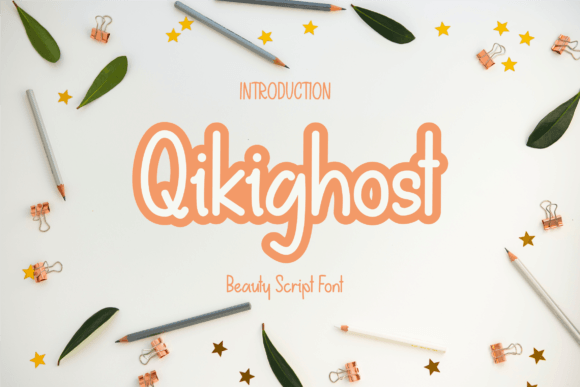
Qikighost is more than just a script font—it’s a typeface with a distinct rhythm and mood. Its flowing strokes and soft curves evoke a sense of approachability, making it ideal for content that aims to connect with readers on an emotional level. Whether used in a lifestyle blog, a recipe ebook, or a wedding guide, Qikighost adds a personal touch that feels authentic and inviting.
The font’s visual character is both modern and nostalgic. It balances the spontaneity of hand-drawn lettering with the clarity needed for effective communication. This duality makes it versatile enough to work in a range of editorial contexts, from playful social media graphics to elegant digital magazines.
Real-World Applications
Testing Qikighost in real publishing scenarios reveals its strengths. In a lifestyle blog redesign, it excels as a header font, offering a warm and expressive alternative to traditional sans serifs. When used in a recipe ebook, it enhances the visual appeal of title pages and section openers, creating a cohesive aesthetic that aligns with the content’s tone.
In a coaching workbook, Qikighost works well as a pull quote or chapter opener, drawing attention without overwhelming the reader. Its readability on screen and in print makes it a reliable choice for newsletters, printable planners, and course PDFs. The font maintains its charm across different mediums, ensuring consistency in brand identity.
Readability and Visual Hierarchy
While Qikighost is a display font, it doesn’t sacrifice readability. Its legibility is best suited for short text elements such as headlines, titles, and decorative accents. However, it’s not ideal for long-form body copy, small captions, or dense paragraphs where clarity is essential.
When used in editorial layouts, Qikighost supports visual hierarchy by standing out without competing with other design elements. Its soft curves and gentle flow make it a natural fit for headings, subheadings, and key phrases that need to catch the eye while maintaining a calm and inviting atmosphere.
Pairing Qikighost with Other Fonts
To maximize its impact, Qikighost pairs well with complementary typefaces. For example, pairing it with a clean sans serif font like Montserrat or Open Sans creates a balanced contrast that enhances readability. Using it alongside a classic serif font such as Georgia or Merriweather can add depth to a design while preserving a professional tone.
For editorial projects that require multiple typographic layers, Qikighost serves as a strong focal point. It works especially well in layouts that blend creative and functional elements, such as a digital magazine with both articles and feature sections.
Considerations for Use
Before integrating Qikighost into a project, it’s important to consider its limitations. While it shines in display roles, it may not be the best choice for body text or formal reports where precision and neutrality are required. Designers should also check for available styles, alternates, and ligatures to ensure the font meets their specific needs.
Additionally, verifying multilingual support and file formats is crucial, especially for international publications or multi-platform projects. Commercial licensing details should also be reviewed to ensure compliance with usage rights for ebooks, templates, and paid content.
Creating a Cohesive Editorial Identity
Qikighost contributes to a publication’s overall identity by adding a unique and recognizable voice. Its handwritten style can help differentiate a brand in a crowded digital space, whether it’s a boutique newsletter, a creative course, or a printable guide.
For independent content creators, this font offers a way to infuse personality into every design element. From a blog’s masthead to a downloadable worksheet, Qikighost helps build a consistent and engaging visual language that resonates with the target audience.
Ultimately, Qikighost is more than just a font—it’s a tool for storytelling. Its friendly presence invites readers to engage with content in a more personal and meaningful way. Whether used in a digital magazine, a wedding guide, or a simple printable planner, Qikighost has the potential to elevate any project with its charm and character.